Coaches of Wānaka - Creating a culture of professional development
While I was working in Wellington, the personal training studio I was based at (ONI) had an amazing culture of upskilling. Every week, we would run through different topics, from anatomy, through to business management, and everything in between. Each coach would have an area of expertise they could share with the rest of us.
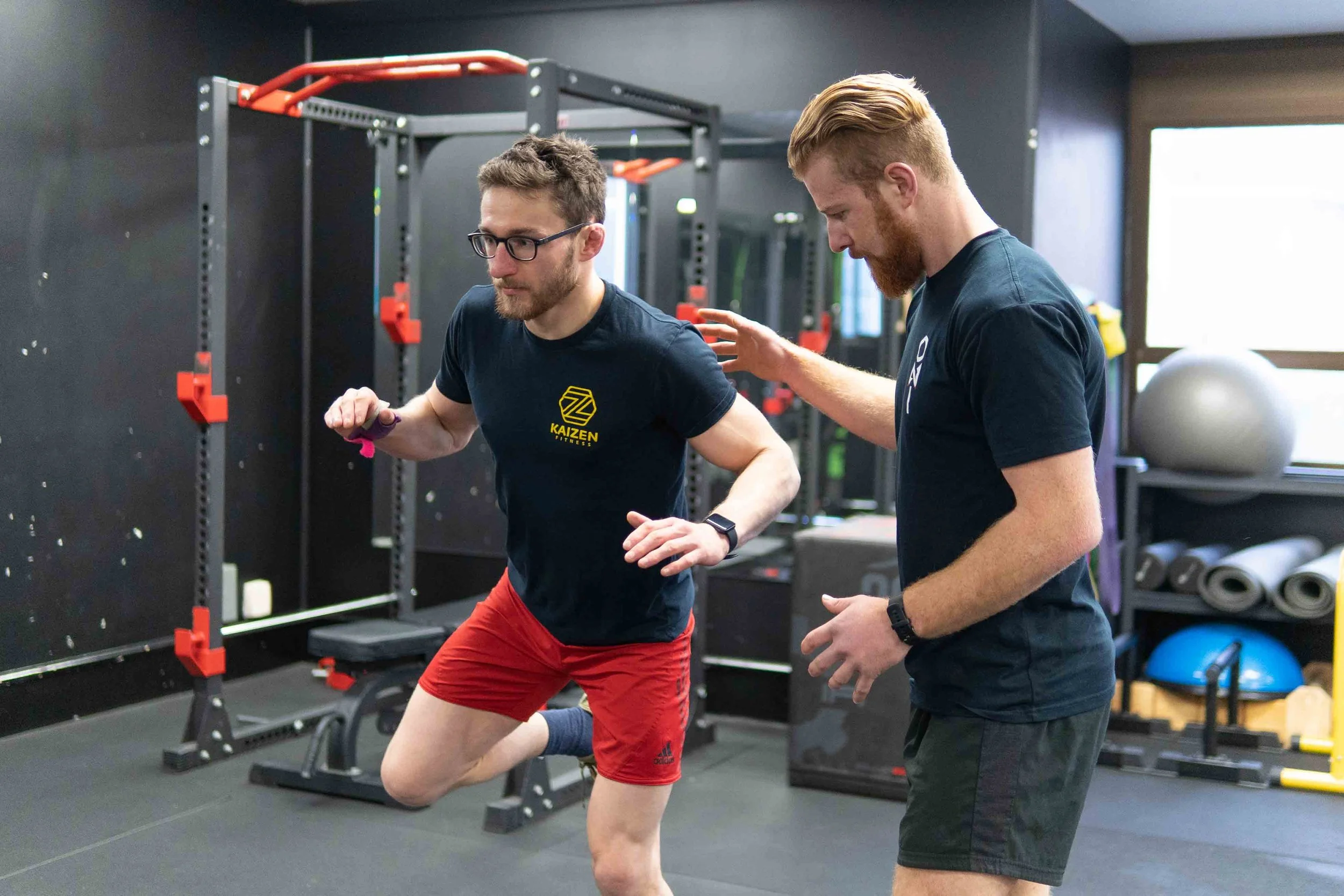
Training out of ONI in Wellington. Pictured with International Judo Medalist, Hugo Dewar
It was fantastic. It wasn’t a “these are my secrets, I’m not sharing them” mentality. It was a “the tide rises all boats” mentality; why don’t we share and connect instead of siloing ourselves in what can already feel like an isolating industry.
So I thought, now that I work in Wānaka, why not create the same culture here?
THURSDAY 24TH SEPTEMBER 2026 - The first public upskill at Pure Performance Gym
Over the last few months, I had been running internal upskills at Pure Performance Gym, my place of work. Last week, I opened it up to the public. Here is what we discussed.
PROGRAMMING AND PERIODISATION
We started off with the basics. How do we write an intentional, well thought out, and personalised program? We have to know our client first!
A consultation and movement screen gathers the necessary information we need to make informed programming decisions. Some of the key points we covered were:
Past physical history. Have they been to a gym before? Have they played sports? What are their current levels of activity?
Injuries/medical conditions: I think I’m yet to meet an individual in Wānaka who hasn’t been injured!! Gather information about any past and present injuries and niggles and how that may affect their movement quality.
Goals/motivation: Why are they here? Is there a timeline to work towards? This information will greatly influence how you may periodise their plan.
Outside factors influencing their health: Stress/sleep/nutrition/sense of community - all of these things will affect their performance. Great to get an overview here, but remember that our primary objective as coaches, is to support them physically. Know when it is appropriate to refer out if they need additional support.
Movement screen: How well do they move? Do they have structural or soft tissue limitations? Pain? Imbalances?
After this information has been gathered, you are now in a much better position to program and to assess what method of periodisation will suit your client the best.
TYPES OF PERIODISATION
We discussed two main types: Block Periodisation and the Conjugate Method
Block Periodisation
Probably the most common form of periodisation, this splits training up into distinctive, usually 6-12 week ‘blocks’. During each ‘block’ , the goal is to work towards a particular adaptation. For example, the first block may be focused on what the famous strength coach, Charles Poliquin, termed ‘structural balance’. Focusing on minimising imbalances, improving stability and technique, and laying a good foundation. The next block may be focused on strength, or hypertrophy, followed by power and so on.
Great for:
Basically everyone. The body adapts best when there is a clear, non competing stimulus. Progressed appropriately and the majority of people will see gains up until a certain point.
Not ideal for:
Athletes that are “in-season”. By focusing on one adaptation such as a “strength’ block, you risk losing in other areas that may be just as important for their sport.
Conjugate Method
Conjugate means to '‘join together’ and in this case, to combine multiple training qualities. It’s a type of training popularised by Louie Simmons at Westside Barbell. The goal of this method is to simultaneously train multiple physical qualities at once, such as strength, power and endurance.
Great for:
Athletes that are “in-season”. This type of training will usually be done off the back of block periodisation during off-season. This type of training will ensure that an athlete can maintain their strength, power and endurance while also competing.
Not ideal for:
Clients with a short training history. This method is intense as it often involves maximal and dynamic effort lifts which are suitable only for those with training experience.
Individuals wanting to focus on improving one particular physical attribute. The conjugate method is designed to maintain ability across the board, not for drastically improving any one attribute.
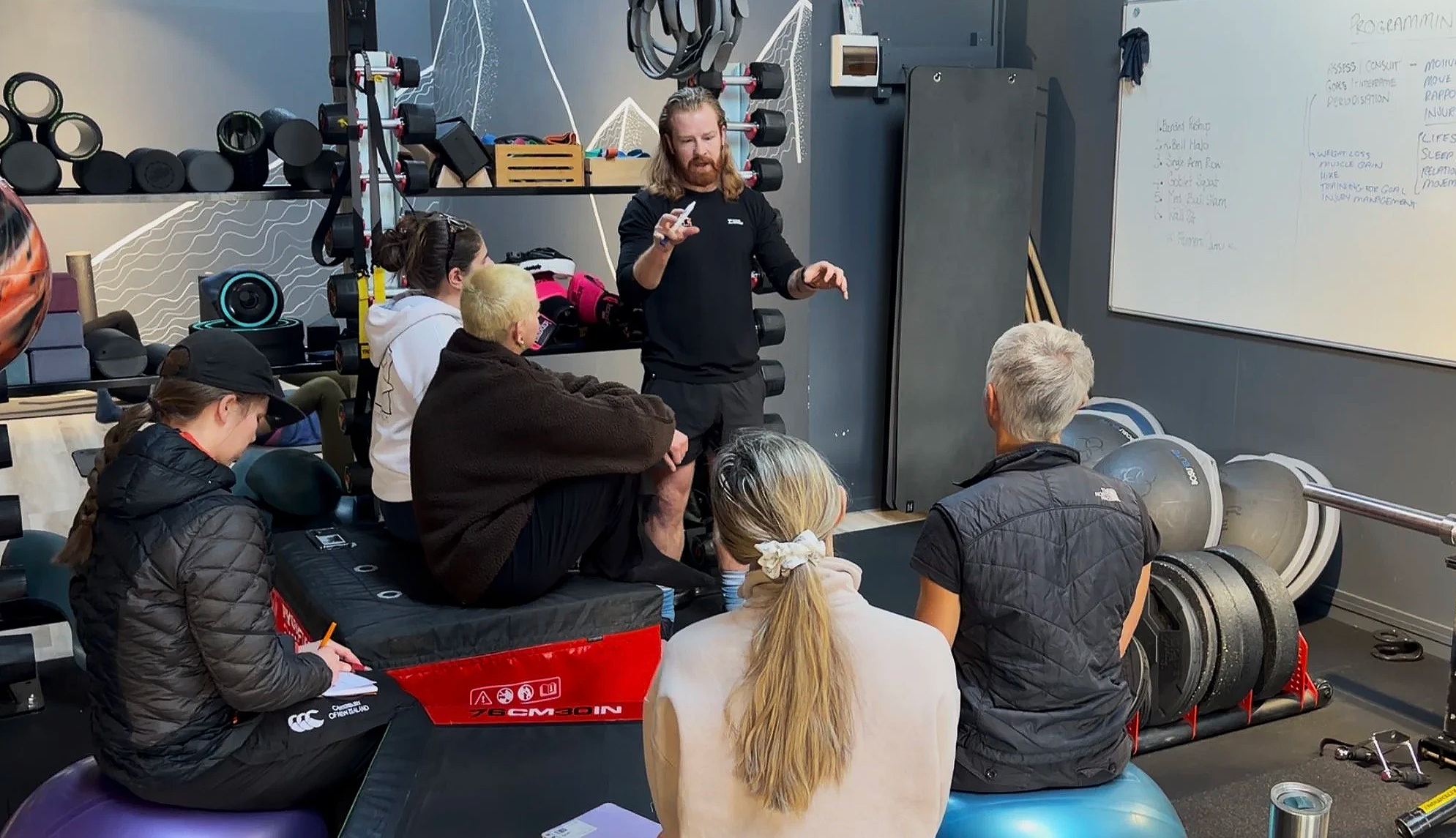
Thursday’s upskill was attended by trainers from multiple different gyms in the Wānaka area
Conclusion
This is but a summary of what we covered during the upskill on Thursday. There is obviously far more nuance to programming but hopefully this gives you a nice overview to work from. If you would like to attend our next upskill and you are based in the Wānaka area, please feel free to contact me: kaizenfitnessnz@gmail.com