Mobility - What is it, and how can we get more of it?
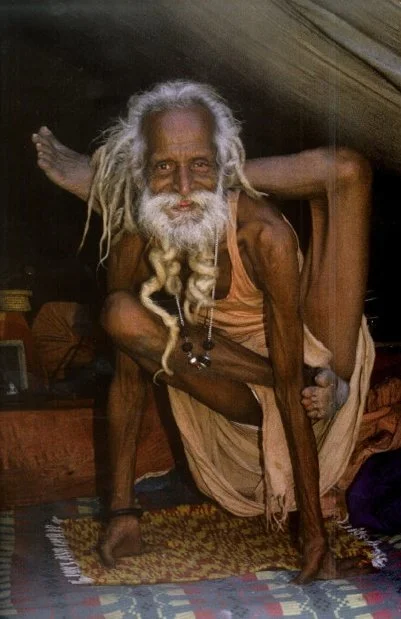
Maybe he sleeps like this?
Supple like a Yogi
When we think of being ‘mobile’, images of yogi folding in half to touch their toes may come to mind, or a contortionist turning themselves into an origami crane. While these are impressive feats of the body, they are not necessarily achievable (or useful) to the everyday Joe, unless Joe was to suddenly dedicate a large amount of their time to mastering these positions.
So let us turn away from the extreme, as we are so often drawn towards, and focus our attention on defining what exactly is mobility, and how it is relevant in our life.
What is mobility and flexibility? Are they the same?
The words “mobility” and “flexibility” are often used interchangeably which isn’t exactly correct. Let us first define both of these terms so that we can be accurate in our discussion.
Flexibility is simply a definition of the potential passive extensibility of your body. That is, the potential that you have available to passively lengthen soft tissue such as your muscles, tendons and ligaments.
Mobility differs in that it is about your active ability to control and co-ordinate these movements.
Here’s an example of both, in a context you can perform right now.
With your palm facing down, grab your index finger and pull it safely back towards you as far as you can. Take note of how far you can pull it back in relation to the rest of your hand and hold it there. This is a test of flexibility.
Now, let go of your finger, and try to hold it in the same position just using your own strength. This is a test of mobility.
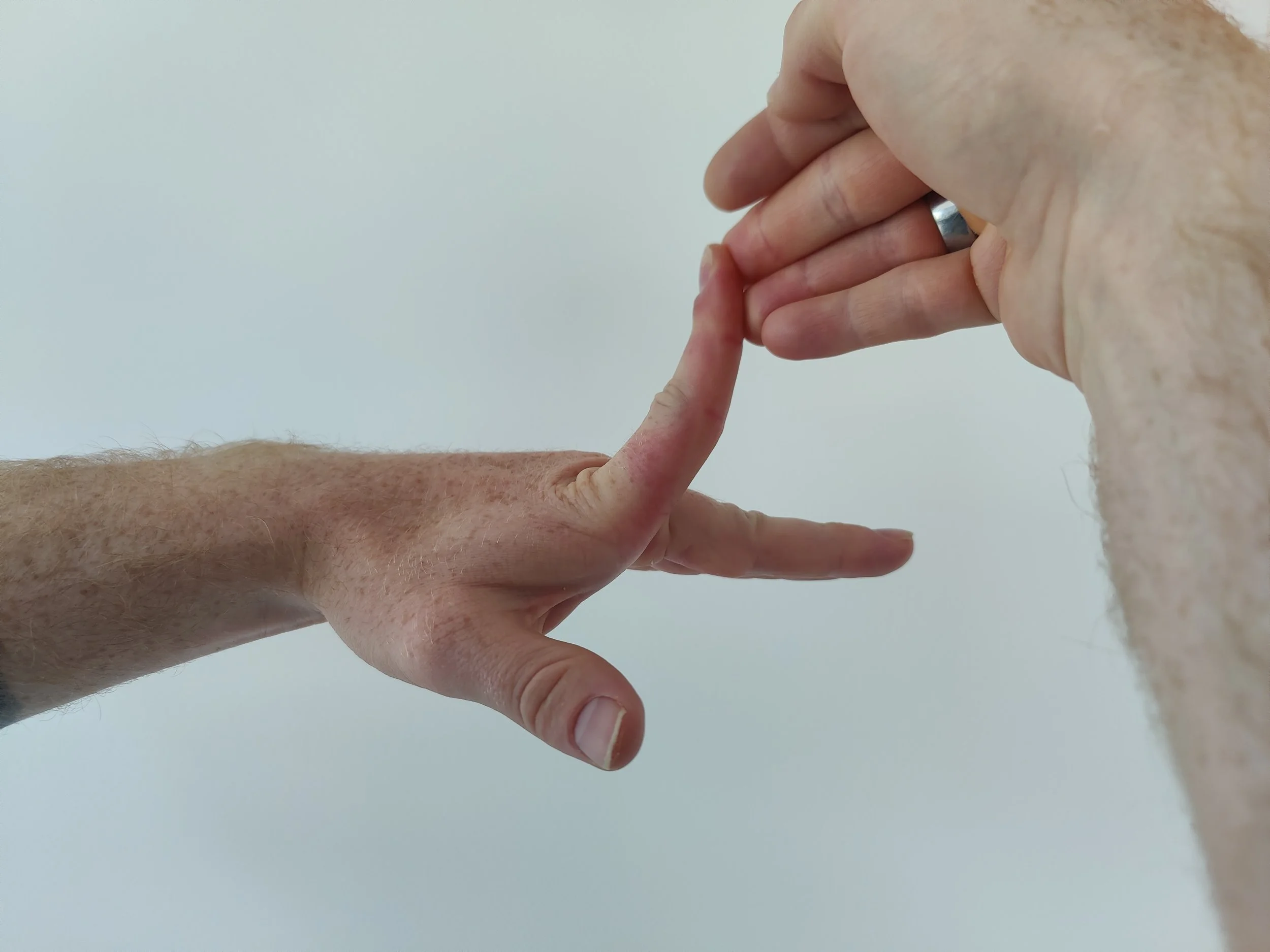
Start by assisting the finger. This is your flexibility
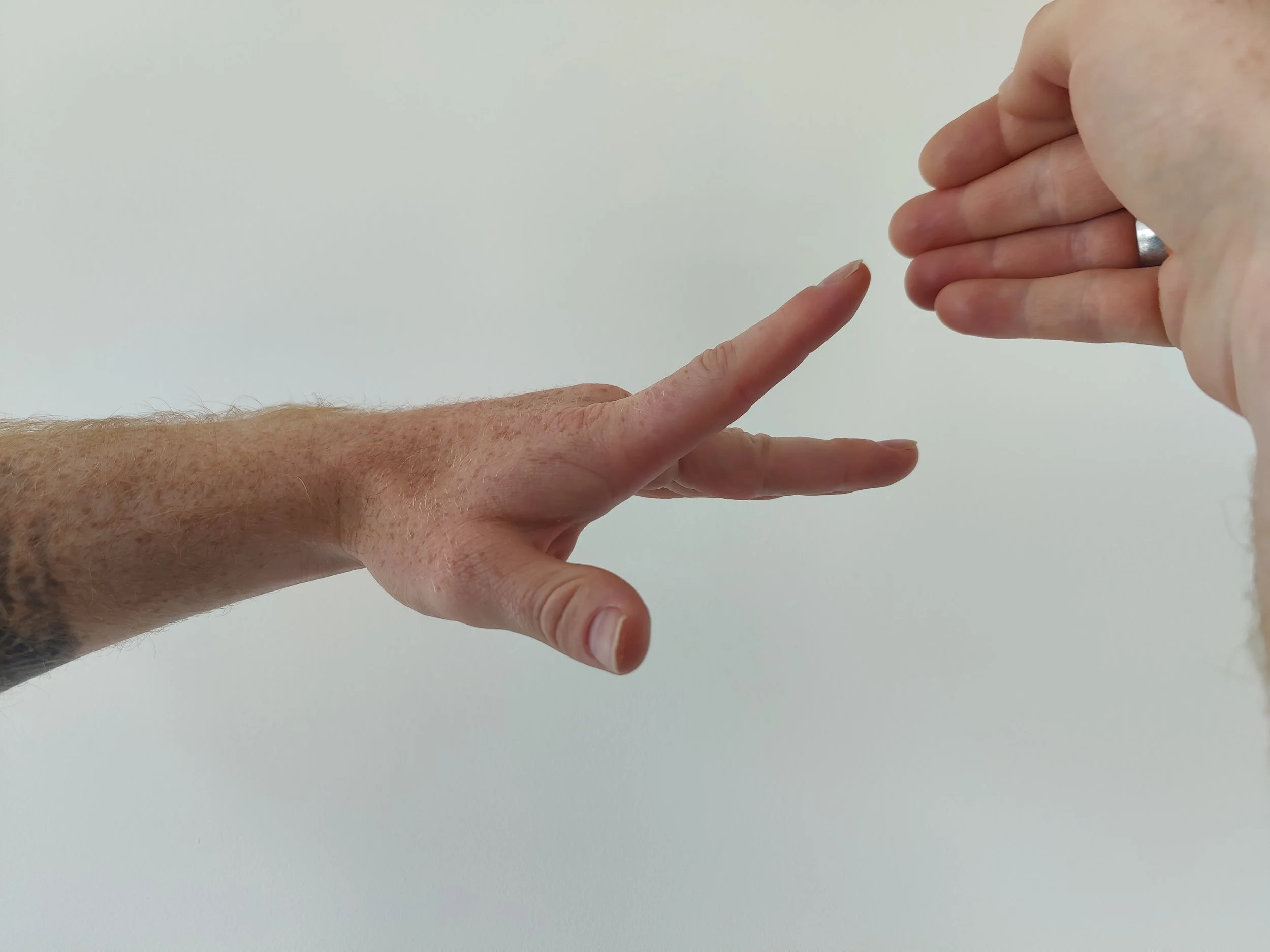
Let go. Where you can hold and move your finger actively is your mobility at this joint
What you probably noticed is that there was a difference between the flexibility of your finger, and its mobility.
The "Mobility Gap"
The mobility gap refers to the difference between your passive range of motion (flexibility) and your active range of motion (mobility)
A large mobility gap (high flexibility but low mobility) is often a predictor of injury, as the body has ranges of motion it cannot safely control. Think of being flexible enough to drop into the splits, but not mobile enough to safely control the position or get out of it.
More commonly, in much of the modern population, we see low flexibility and low mobility - movement is limited both passively and actively. This is directly correlated to the fact that our lifestyles have become more sedentary. We are no longer a roaming species, foraging for plants and berries in the bush, or stalking game for miles at a time. Even in the last ten years, we’ve gone from having to travel to a shop for food (that at least involved getting in and out of a car and walking around a bit) to being able to push a few buttons on our phone and getting food delivered to our door.
As I’m writing this, I’m thinking, what will the next ten years bring? Will our food eventually be delivered straight to our mouths? Maybe a robot will even be kind enough to do the chewing for us!
The point is, our environment is increasingly doing the movement for us. While in some cases this is beneficial, it also has the power to take away our vitality, and our ability to move well as we age.
So how can we improve our mobility?
If there are movements that you can already perform without pain or discomfort, the importance is to keep doing them. We do have a tendency towards inactivity as we age, but part of our daily “training” can be to keep taking the stairs when we can, to sit down and stand up again from the floor, and any other daily movement that is going to encourage mobility.
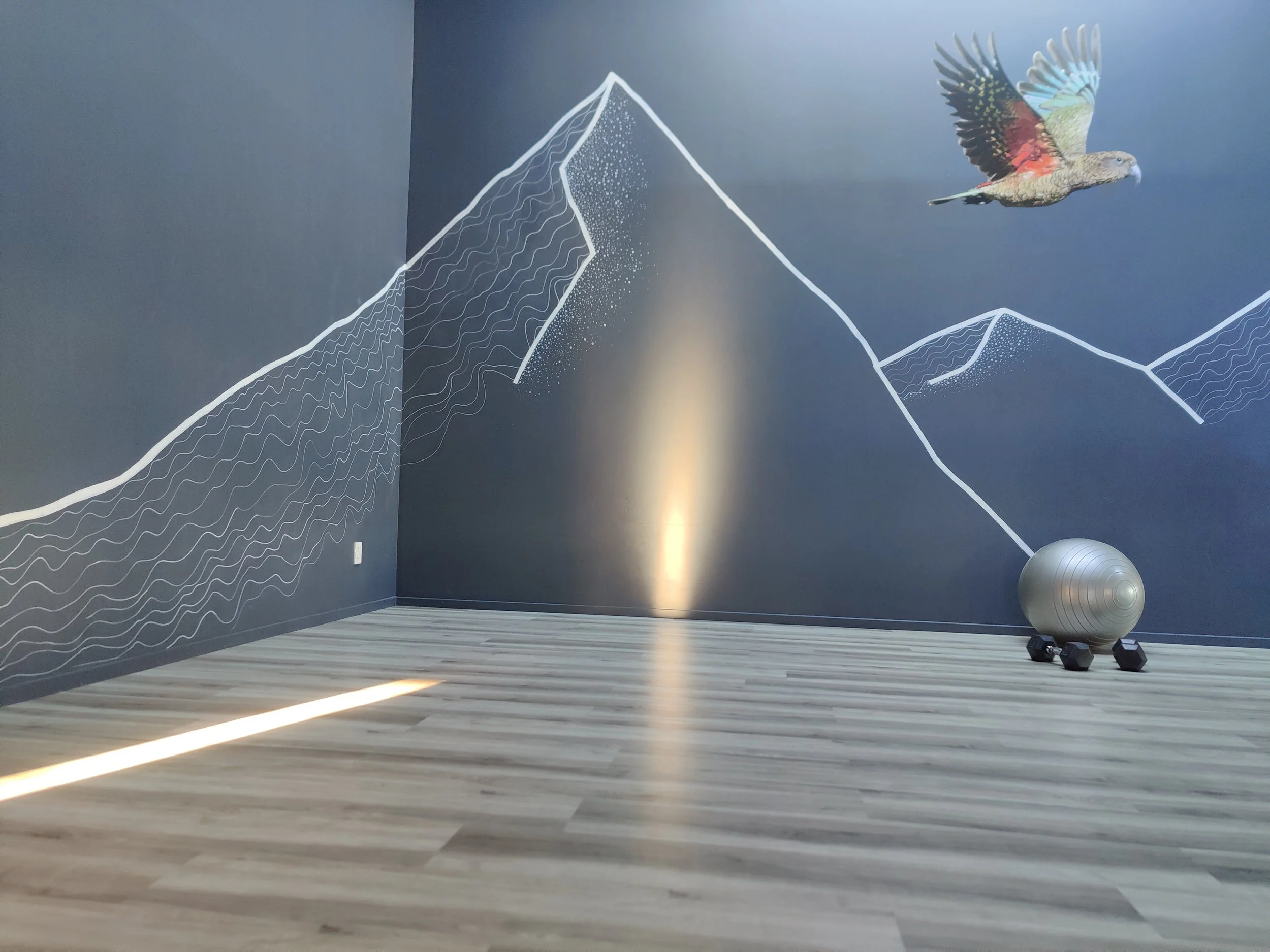
Pure Performance in Wānaka. Mobility classes running weekly!
If there are movements you can’t perform, or maybe you want to get more mobility in a chosen sport or activity, then I would suggest incorporating a specific movement practice into your life, that focuses on the movements you want to improve and master. I recommend seeking a coach to help in this regard.
I am currently running mobility classes at Pure Performance in Wānaka. If you would like to attend, you can find out more, email me at kaizenfitnessnz@gmail.com
To conclude
Exercise and movement should not be limited to blocks of “an hour in the gym” or a “ 30 minute yoga class”. Exercise should be thought of as a way of being, threading it through every day, for all of our days. Only with a consistency of movement every day, will our body maintain and even improve its suppleness and mobility.
Move your body and flourish!
Jordan Berry - Kaizen Fitness